Leadership Lessons
Three organizations. Three different kinds of leadership challenge. The through line across all of them was the same: build connection, create clarity, and make sure everyone can see themselves in the outcome.
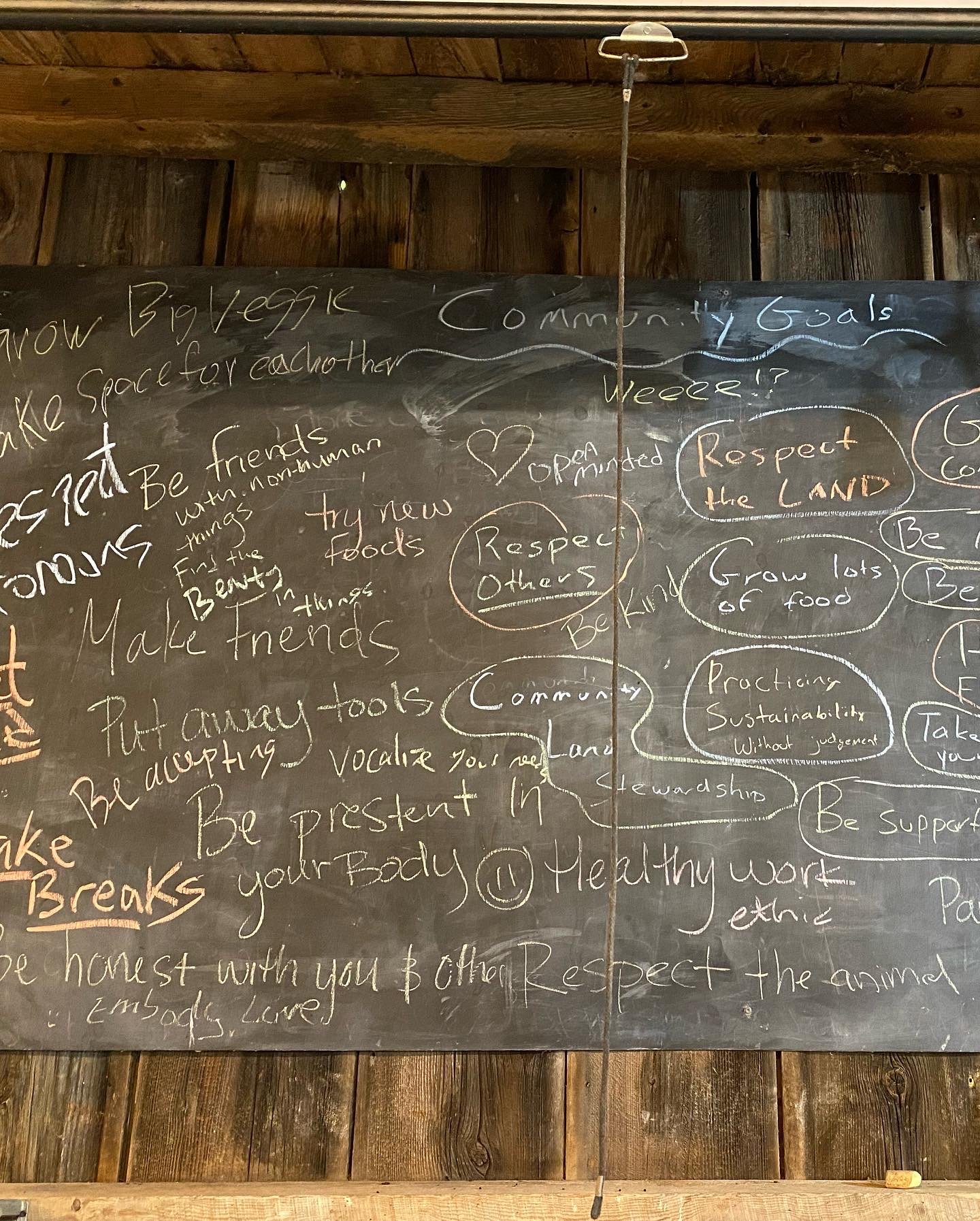
Building a team is not about filling roles. It is about creating the conditions for something better to take shape. Photo: Ithaca Youth Project, Ithaca NY
Build what is needed. Unify what is fragmented. Inspire what is possible.
Inspire
Norhrop Grumman: Leading through influence
NorthropGrumman.com serves legislators, military partners, media, and job seekers across a global enterprise. Most of the teams shaping that experience do not report to me. Their priorities differ. Their timelines compete. Leadership in that environment is not about direction. It is about building alignment where none is required, starting with listening, then translating competing priorities into a shared vision that everyone can work toward.
The systems I put in place — shared governance, unified intake, a refined information architecture — are designed to make alignment the easier path than working around each other.
Unify
Washington and Lee University: Aligning people and processes
At Washington and Lee, admissions and marketing were each doing strong work, just not together. Messaging was inconsistent, efforts overlapped, and enrollment goals were not fully connected to the broader institutional story. The work began with relationships. Listening first. Understanding where priorities diverged, where friction lived, and where trust needed to be rebuilt. From that foundation I introduced a shared vision for enrollment communications and a unified operating model to support it. Teams that once worked in parallel began working in partnership.
The result was a 32.5% increase in applications during a national enrollment downturn.
Build
Virginia Military Institute: Designing teams for transformation
At VMI, the charge was to deliver a bold institutional campaign while earning trust from senior leadership and building a team that could sustain the work long after any single initiative was over. I designed each role with intention rather than inheritance. A content and social strategist to bring voice to a fragmented landscape. A marketing director role to align strategy and execution. A retiring IT team member transitioned into a website content specialist, preserving institutional knowledge while modernizing the digital experience. The team operated with shared ownership across strategy, content, and execution.
Together, it contributed to a 100% increase in applications over eleven years.