No Silos
Aligning Web, CRM, and Content into a Single Recruitment System During Institutional and Market Disruption
Washington and Lee University was navigating two simultaneous pressures:
A highly public institutional debate drawing national scrutiny
A rapid shift to digital recruitment during COVID, as traditional channels disappeared
Internally, the bigger issue was structural:
Admissions and communications operated in parallel, not in partnership
The website, email, and recruitment tools functioned as disconnected channels
Messaging varied by team, with no shared governance or workflow
There was limited visibility into the full prospect journey
The risk wasn’t just reputational, it was operational: A fragmented system at the exact moment prospects needed clarity, consistency, and trust.
My Role
As the inaugural Marketing Director for Admissions and Aid, I was responsible for:
Defining the end-to-end digital recruitment strategy
Aligning web, CRM, content, and outreach systems
Establishing governance across teams that did not report to me
Maintaining a stable, credible prospect experience during institutional scrutiny
This was more than a campaign, it was a full system redesign under active pressure.
What I Built
1. A Unified Recruitment Ecosystem
Shifted from channel-based execution to a connected lifecycle model:
Integrated Slate CRM, CMS platforms (Ingeniux, WordPress, BigTree), and analytics tools
Aligned messaging and content to behavioral signals and user intent
Connected web, email, counselor outreach, and paid media into a single coordinated system
Result: Prospects experienced a continuous journey, not disconnected touchpoints.

Unified admissions, marketing, and web operations through custom centralized project management system
2. Governance That Enabled Scale
Replaced informal coordination with structured, repeatable systems:
Defined messaging guardrails aligned with official university communications
Established shared editorial standards across admissions and communications
Created workflow and approval structures to reduce drift and duplication
Introduced a centralized intake and project tracking system for campaign visibility
Result: Consistency increased while reducing friction across decentralized teams.

Established approval and editorial workflows, streamlining time-sensitive operations across teams
3. A Prospect-Centered Web Experience
Reoriented the website from institutional priorities to user needs and decision-making behavior:
Refined information architecture to align with how students search and evaluate
Simplified navigation and content hierarchy for clarity and speed
Developed segmented pathways for key audiences (first-gen, international, etc.)
Expanded digital experience through virtual tours, interactive content, and microsites
Result: The website became a decision-support tool, not just an information repository.

Took over midstream CMS and website redesign, driving completion, alignment, and institution-wide adoption within the first year
4. Human-Centered, Data-Informed Engagement
Balanced empathy with performance:
Introduced personalized, counselor-led communication strategies
Launched geo-targeted campaigns and segmented drip marketing
Used analytics to continuously refine messaging, timing, and channel effectiveness
Result: Outreach felt relevant and human, while improving measurable engagement.

Integrated CMS, CRM, and analytics platforms, enabling personalized user journeys and data-driven drip marketing across the recruitment funnel
5. Stability During Institutional Uncertainty
Maintained trust without editorializing:
Aligned all recruitment messaging with official university communications
Ensured tone remained measured, transparent, and consistent across channels
Directed users to primary sources when needed, avoiding fragmentation or interpretation
Result: The institution presented a clear, unified voice during a highly visible and sensitive period.
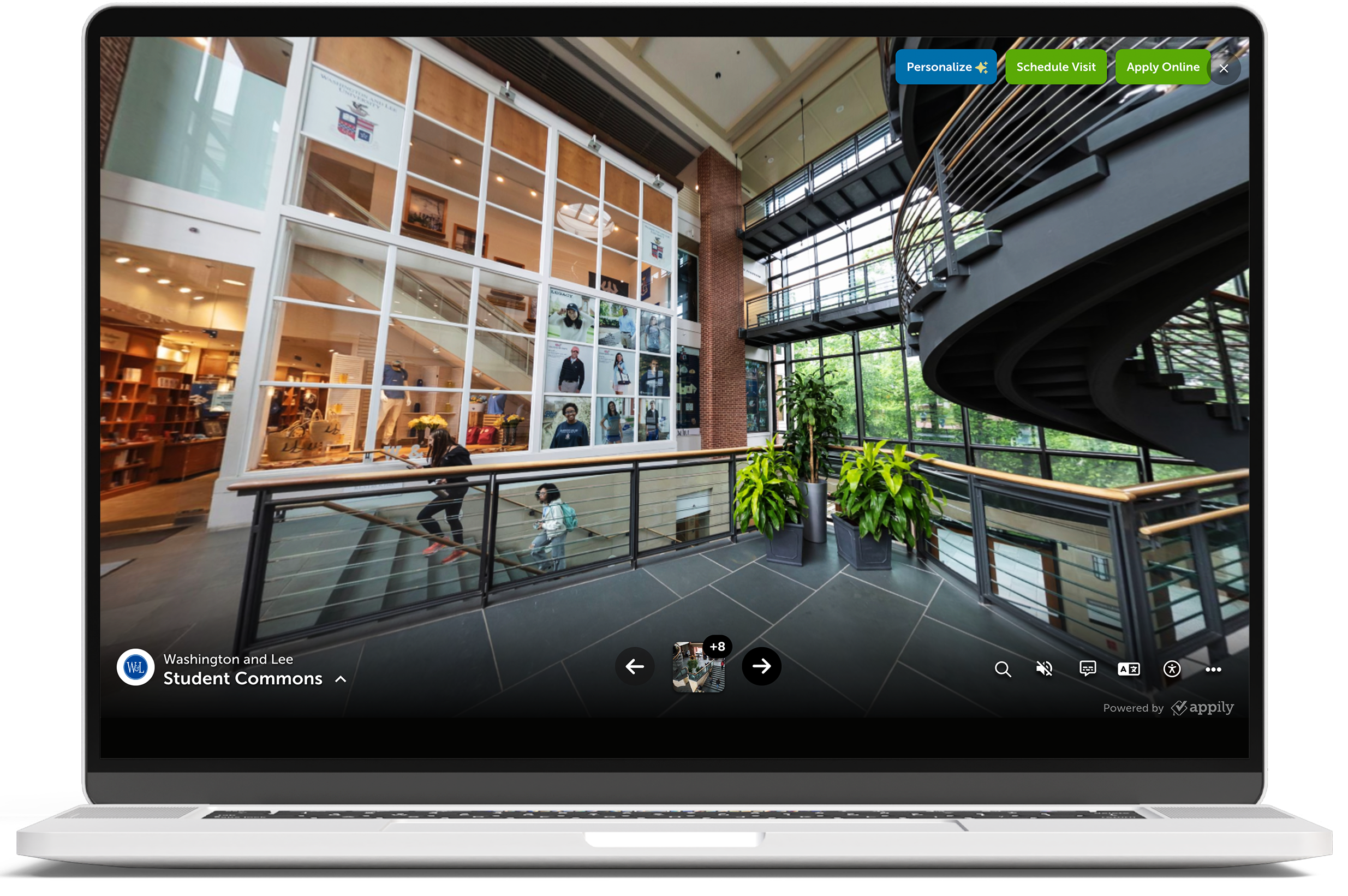
Launched virtual recruitment ecosystem (tours, events, engagement tools) during disruption
Outcomes
+32.5% increase in undergraduate applications during a national decline
Established a data-informed content and recruitment model still in use
Transformed a fragmented digital presence into a connected, scalable ecosystem
Improved alignment across admissions, communications, and digital platforms
Strengthened trust and clarity during a period of institutional uncertainty
Why This Matters
Most institutions don’t struggle with demand, they struggle with alignment. This work demonstrates how:
Governance creates consistency without slowing teams
Systems thinking replaces channel silos
Web, CRM, and content must function as a single ecosystem
Digital strategy is not about campaigns, it’s about infrastructure
Bottom Line
I didn’t redesign a website. I built a system that aligned people, platforms, and content into a unified recruitment engine, one that could adapt, scale, and perform under pressure.