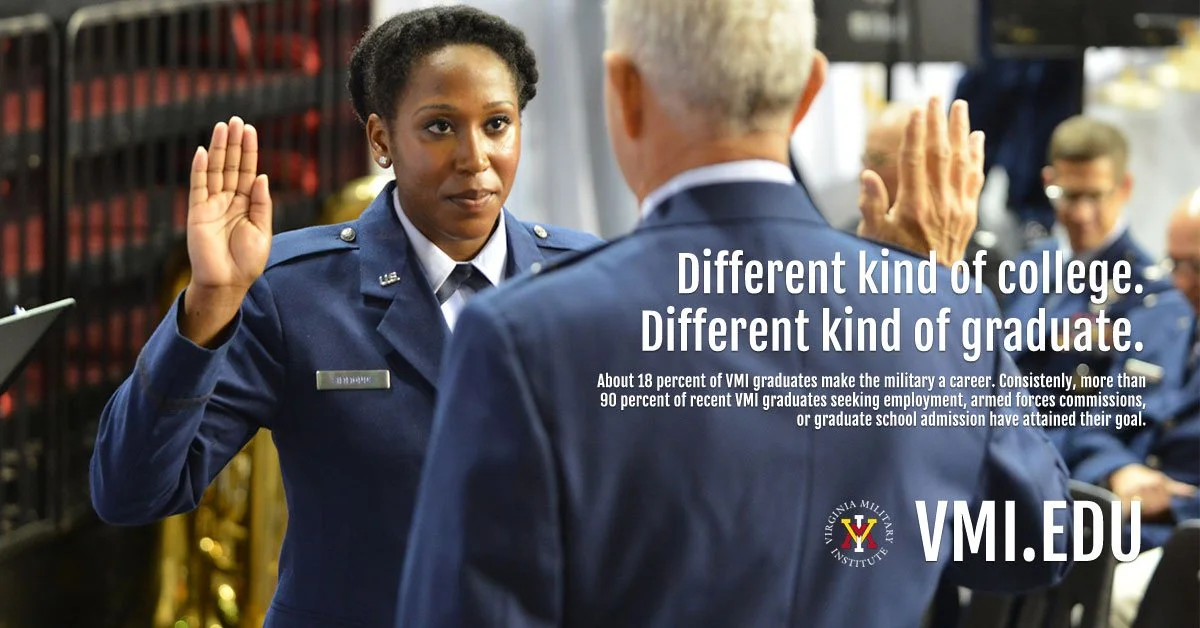
Designing for Belonging
Expanding Women’s Recruitment at Virginia Military Institute
Virginia Military Institute began admitting women in 1997 following the U.S. Supreme Court’s decision in United States v. Virginia. Nearly three decades later, women represented roughly 14% of the Corps of Cadets.
Increasing women’s enrollment required more than recruitment volume. It required credibility within a tradition-bound institution navigating cultural evolution.
My charge was to translate institutional rigor into messaging that directly addressed the questions prospective female cadets and their families were asking without diluting VMI’s identity.

VMI’s culture is structured, demanding, and historically male.
Public conversations around gender equity, leadership representation, and campus climate were visible. Female cadets reported pressure to prove they were not symbolic appointments. Prospective families had practical and emotional questions about belonging, standards, and support.
Generic inclusion language would not suffice.
Recruitment messaging needed specificity, candor, and strength.
I led segmented recruitment strategy focused on women, integrating print and digital into a unified narrative system. This included:
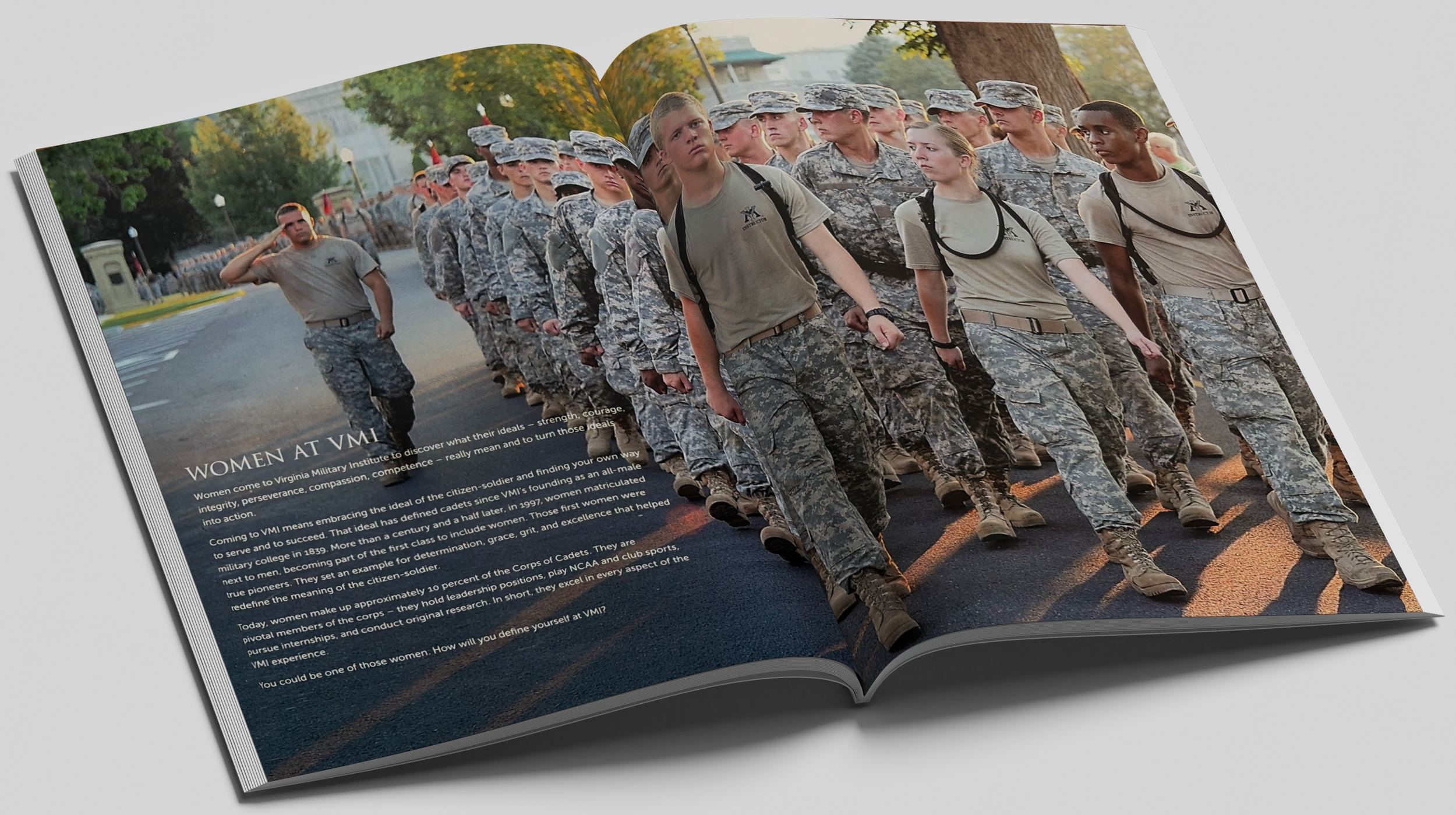
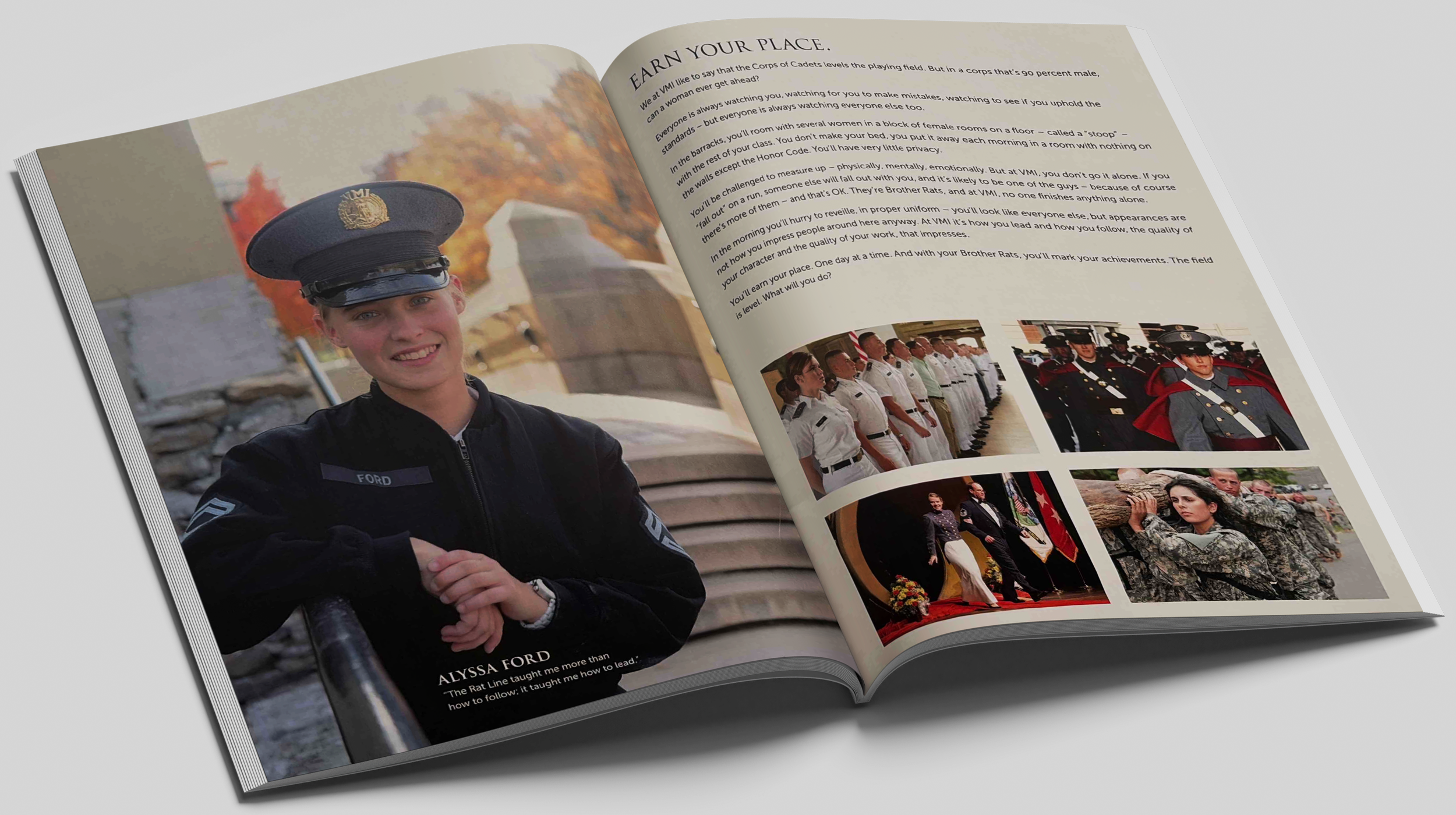
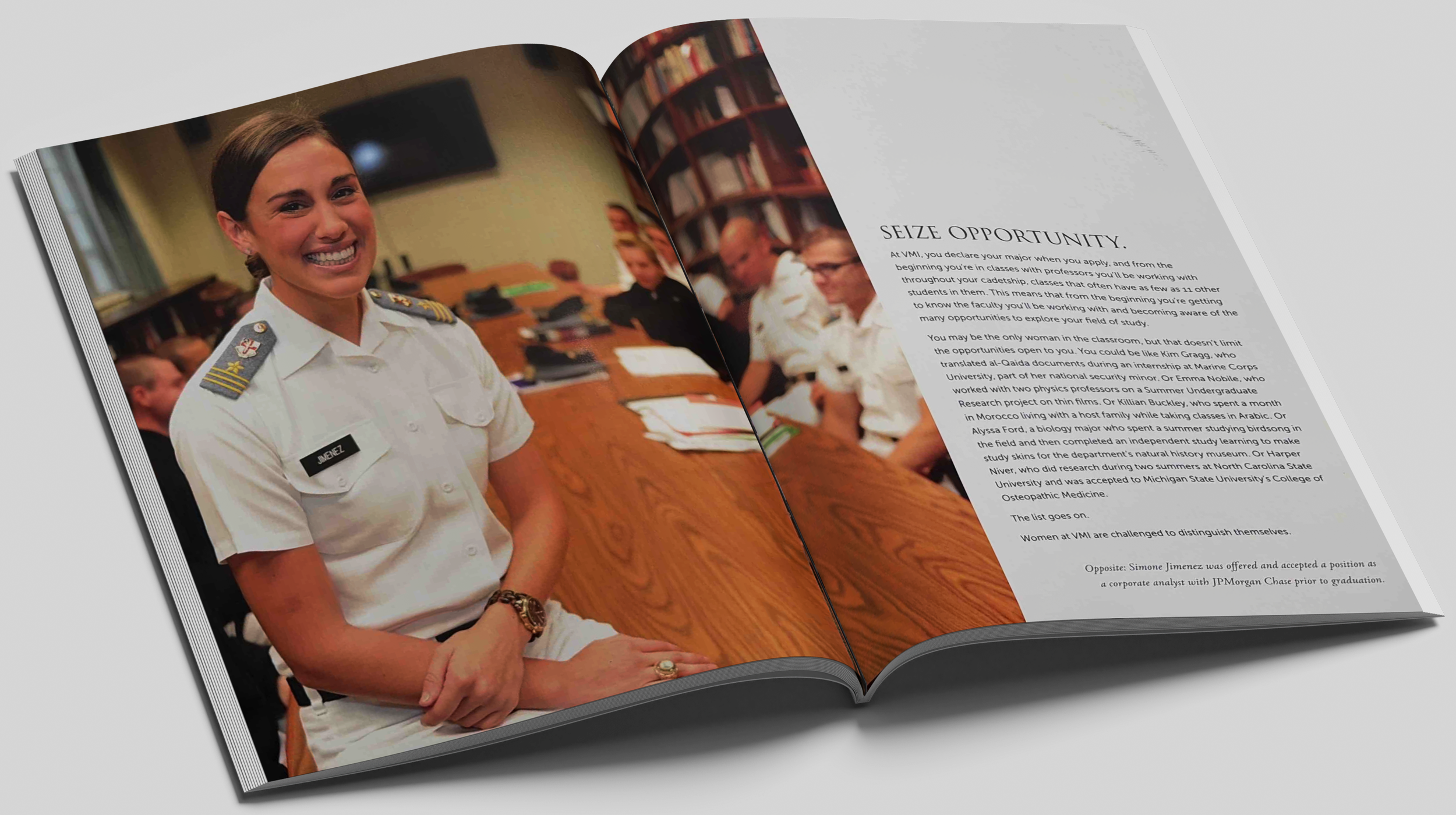
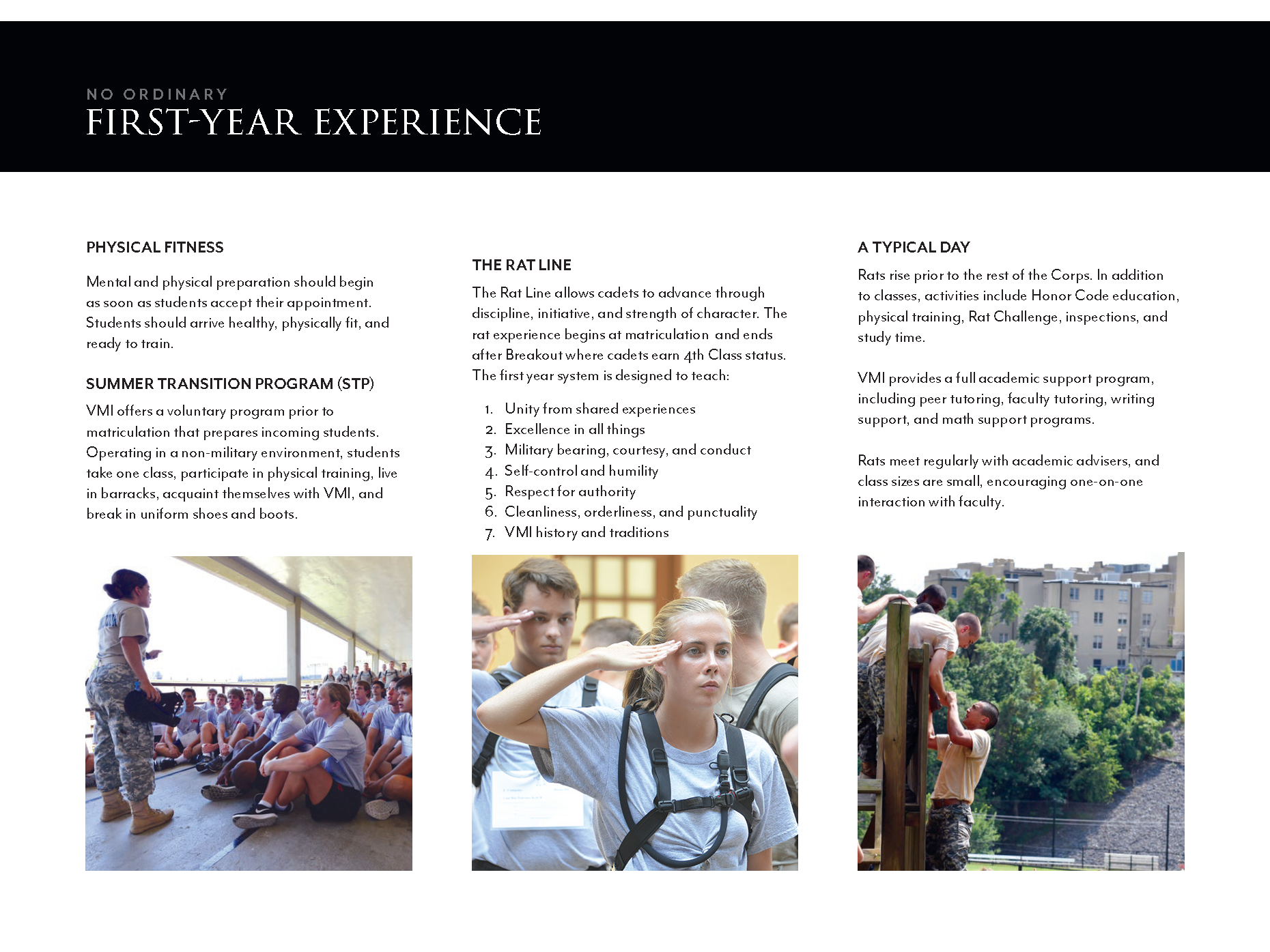
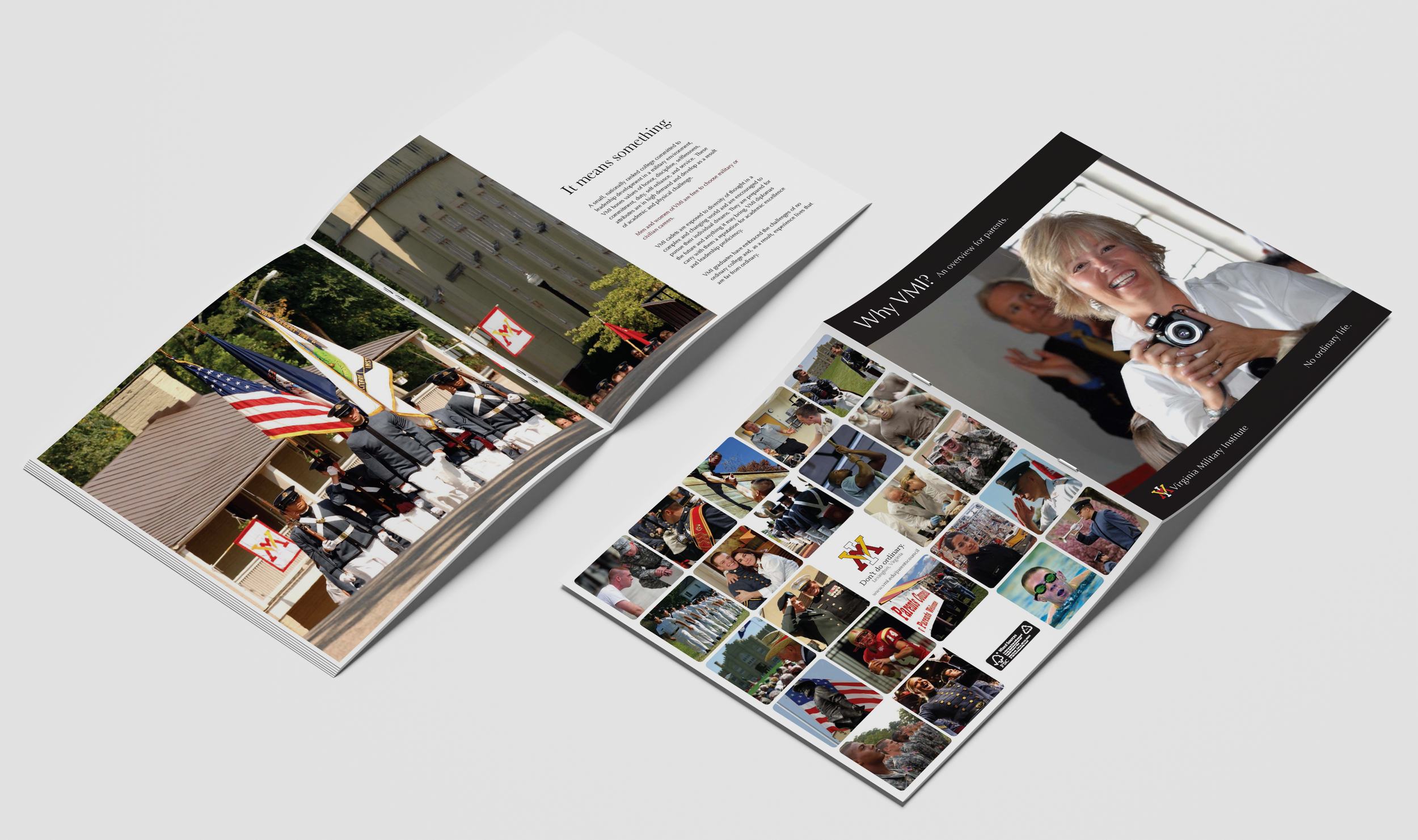
Developing a cornerstone narrative mailer
Creating the “Define Yourself” cross-channel campaign
Refining website pathways and FAQs
Curating authentic imagery
Aligning email, digital, and counselor messaging
Identity Framed Through Strength
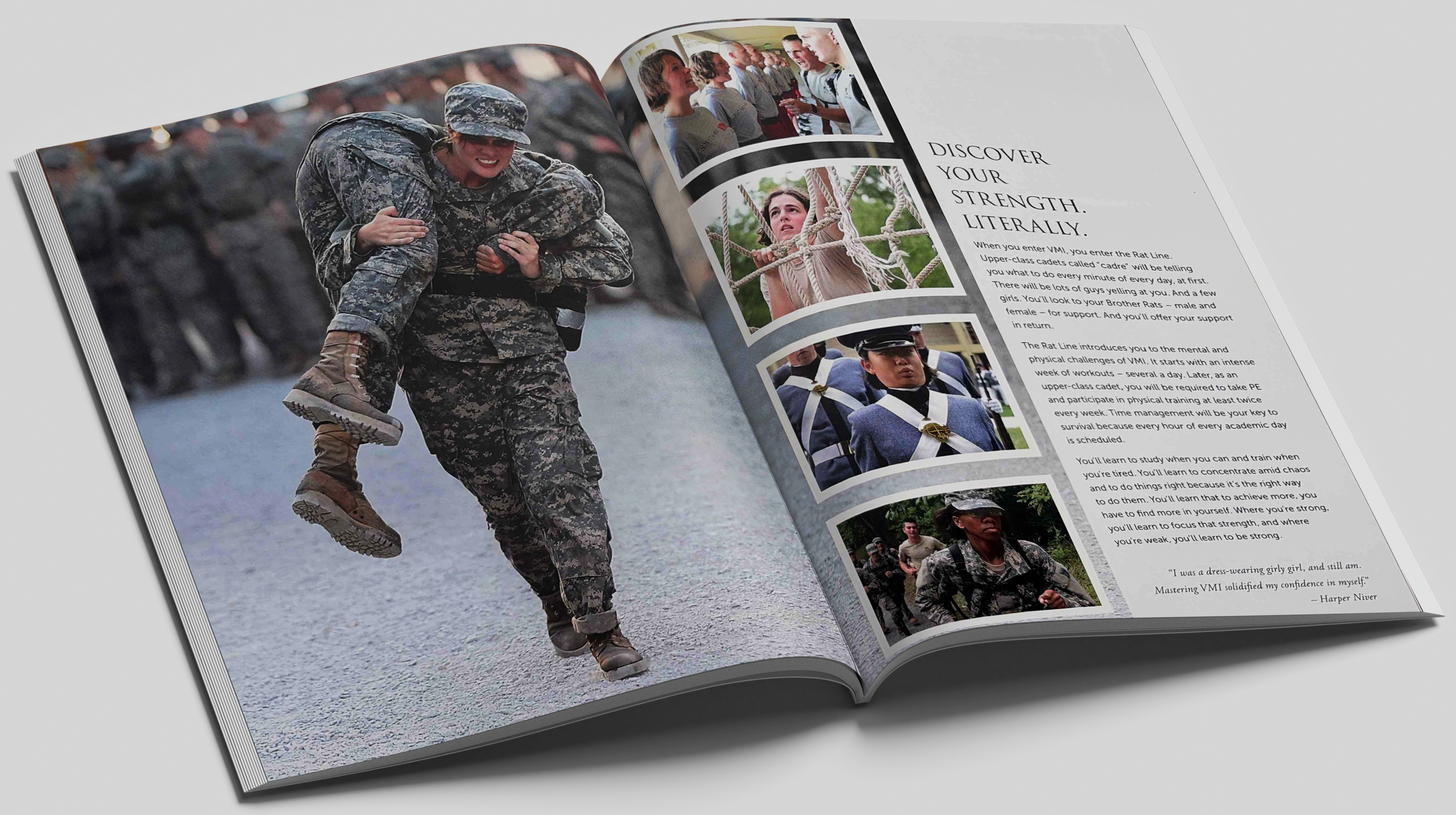
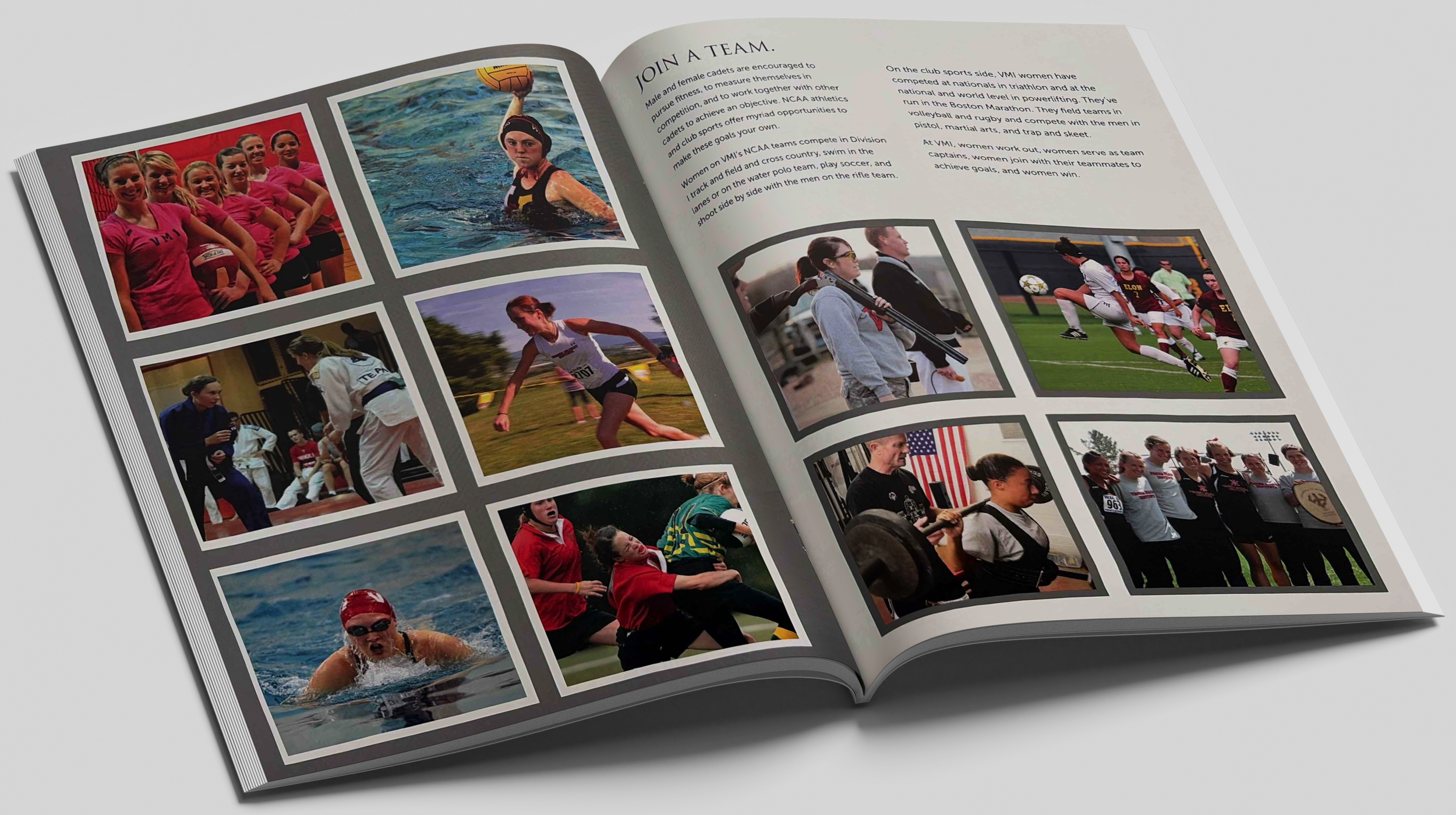
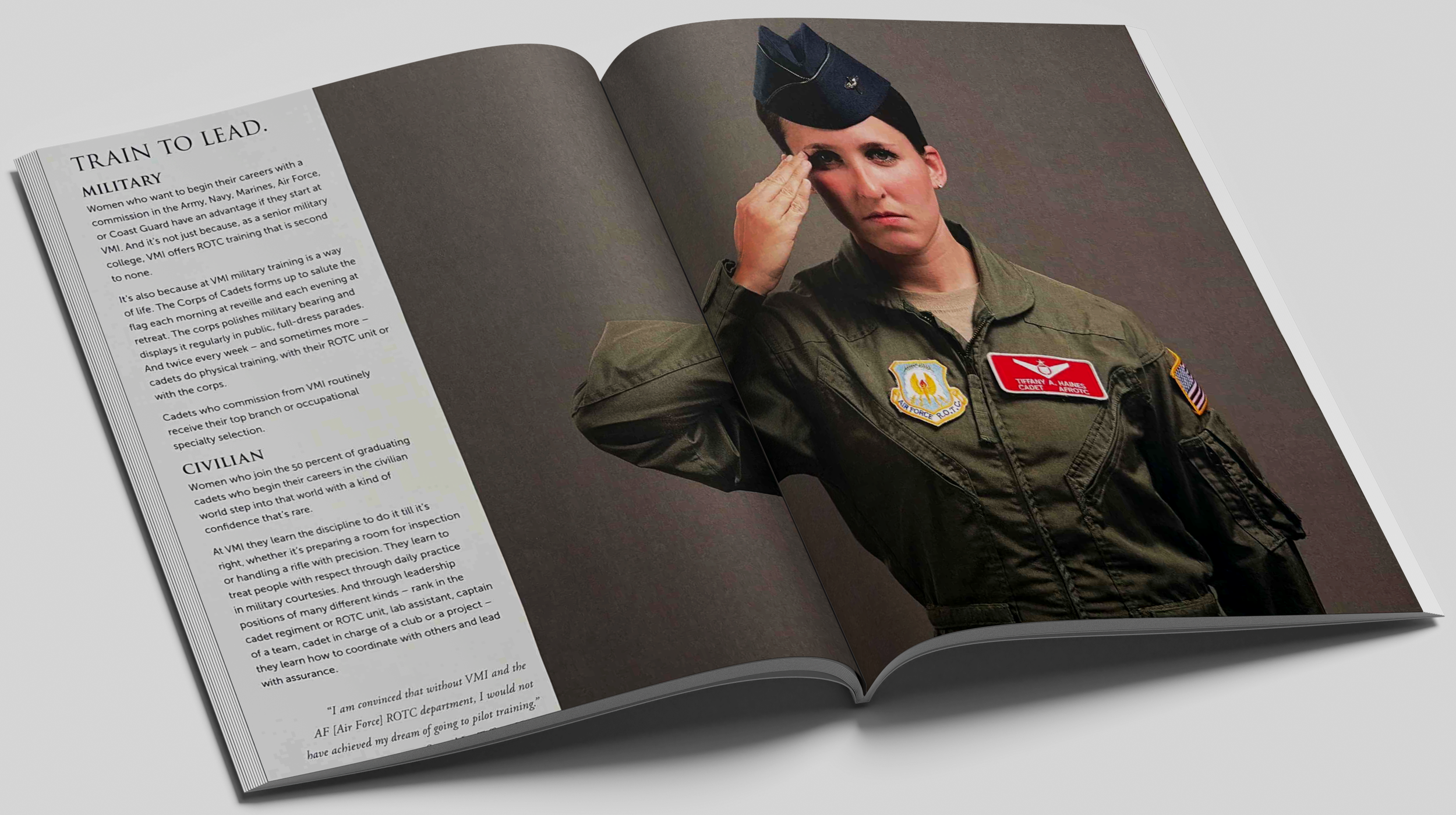
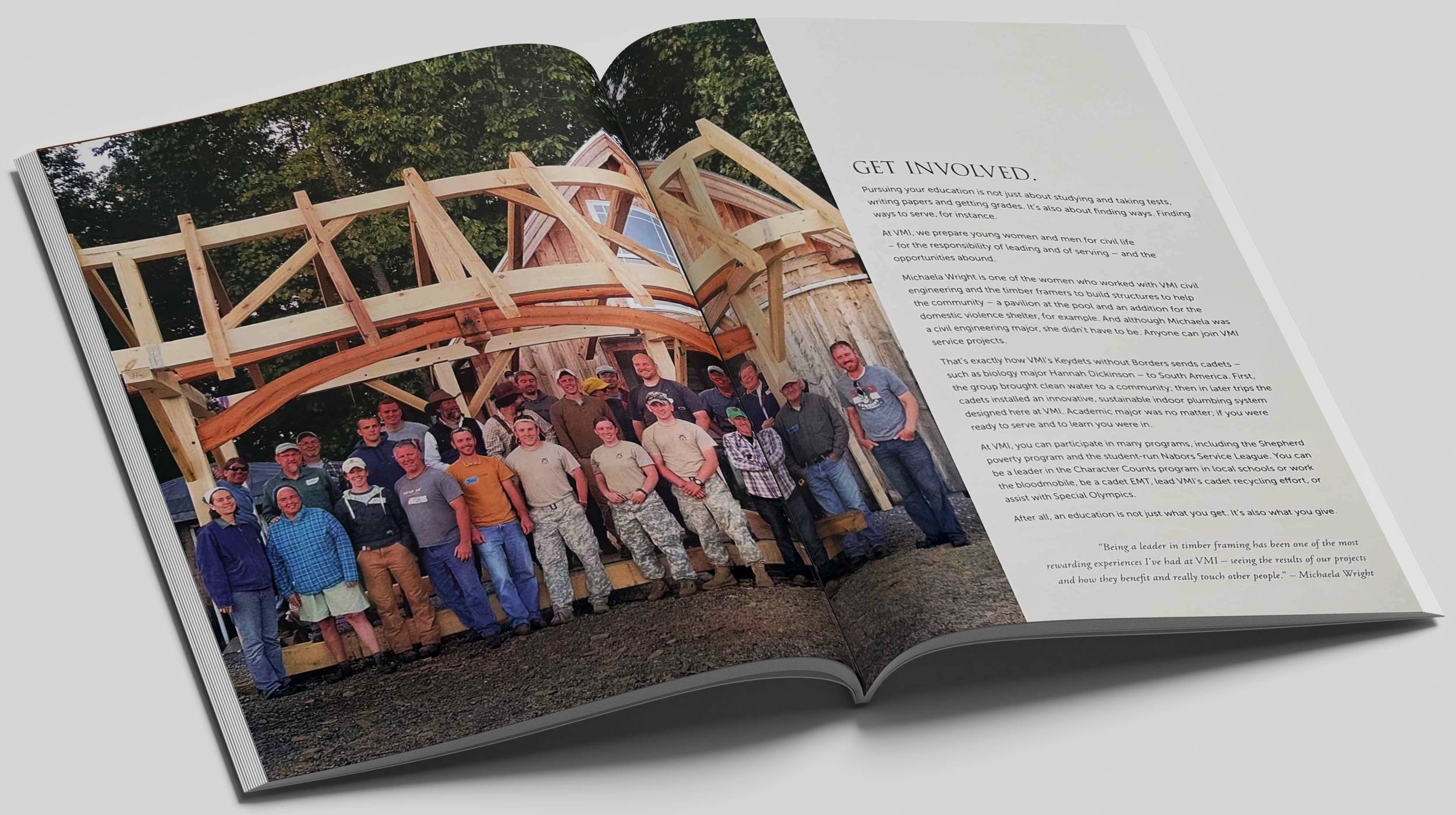
The primary recruitment piece was structured around action-oriented pillars:
Earn Your Place
Seize Opportunity
Discover Your Strength
Train to Lead
Join a Team
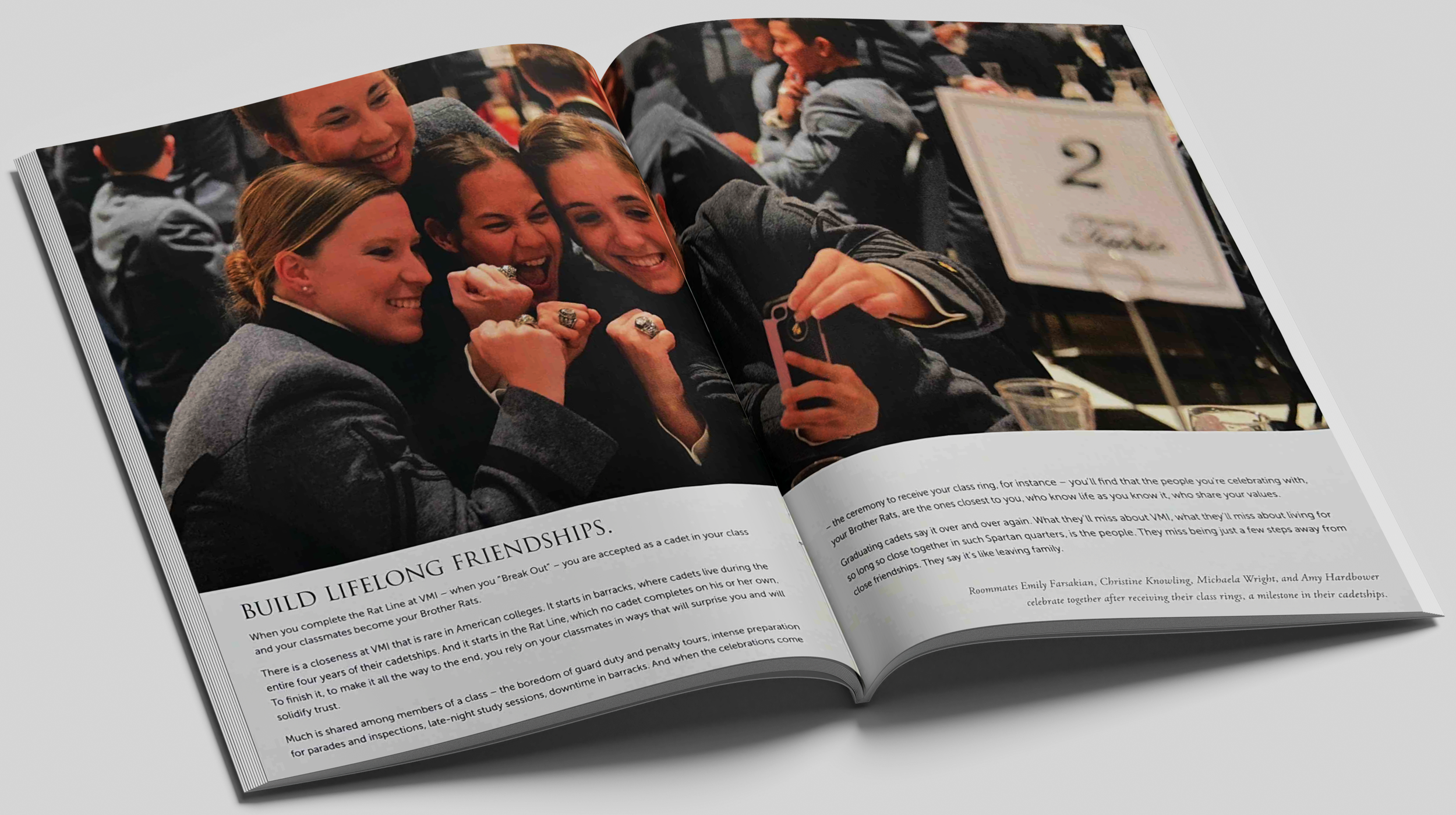
Build Lifelong Friendships
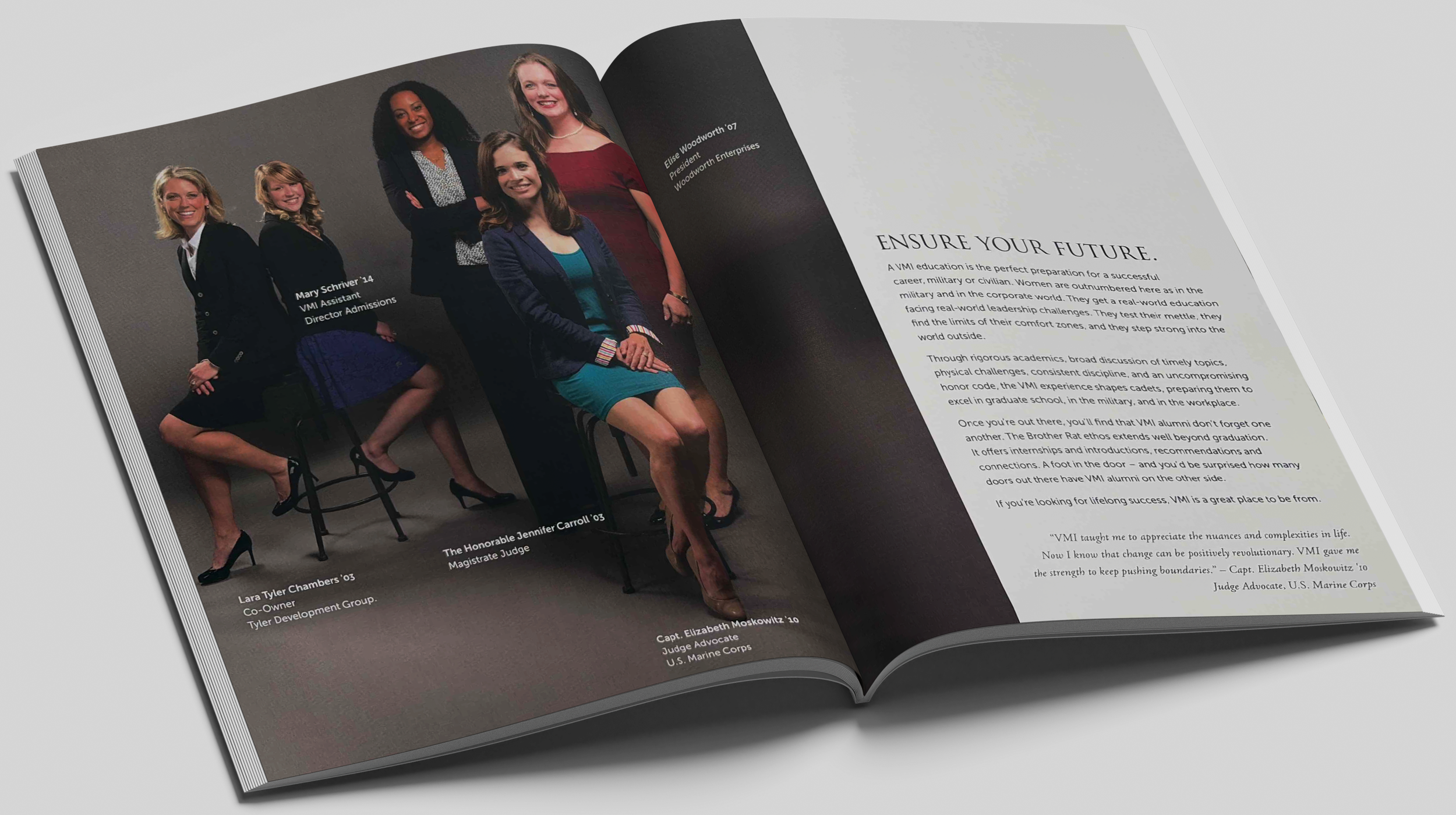
Ensure Your Future
The language reinforced agency. It positioned VMI not as an institution women had to “fit into,” but as a place where they could actively shape their own trajectory.
The “Define Yourself” Campaign
To move beyond abstraction, we built a cross-channel campaign centered on individual female cadets.
Each profile paired:
A single defining noun — Strength. Endurance. Courage. Intellect. Purpose.
A bold, authentic image
A dictionary-style definition
The cadet’s name and class year
A short excerpt in her voice
Academic major and leadership roles
Future ambition
The structure did two things:
Reclaimed strength-based language within VMI’s culture.
Anchored inclusion in lived experience rather than institutional promise.
These profiles extended across print, web, digital ads, and recruitment materials — creating narrative consistency and visual cohesion.
Integrated Execution
This strategy shaped:
Long-form narrative mailers
Digital landing pages
Email campaigns
Paid media
Counselor outreach materials
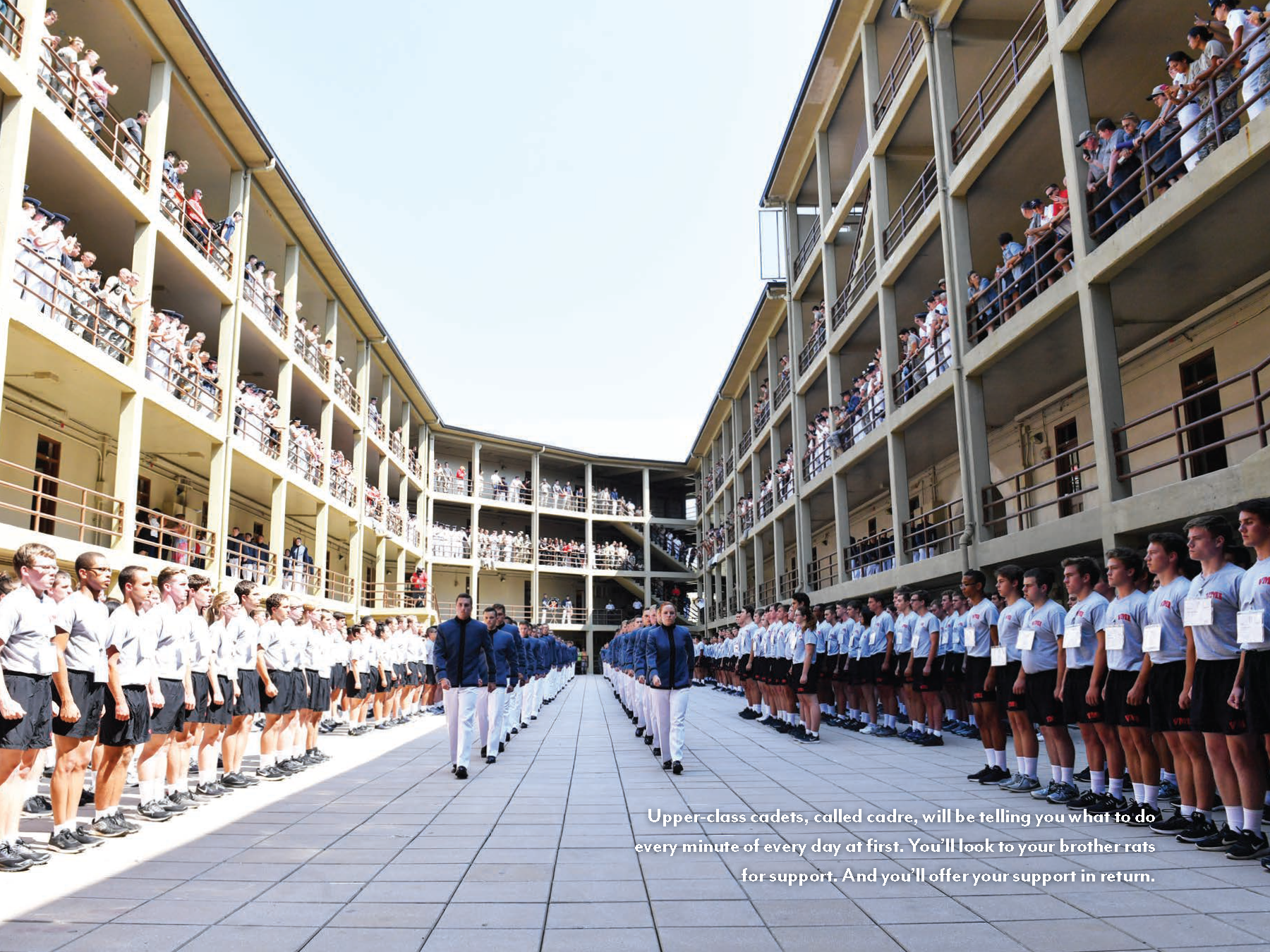
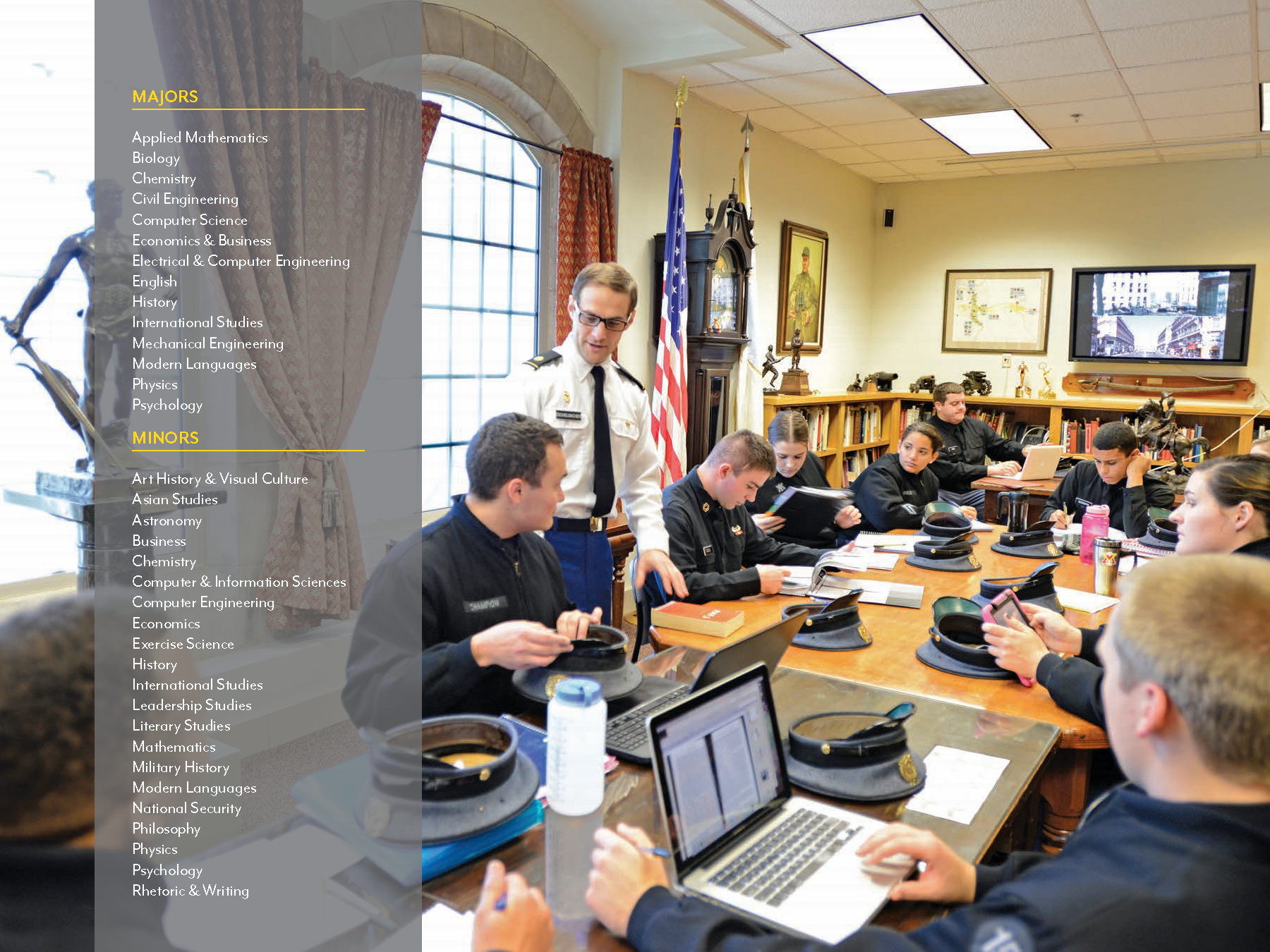
Messaging, imagery, and tone were aligned across every prospect touchpoint. Inclusion was built into architecture, not appended as a campaign.
The results were measurable.
19% increase in women’s applications
12% reduction in attrition
A more diverse, mission-aligned applicant pool
More importantly, prospective cadets encountered clarity and evidence. They saw women leading. They saw standards articulated clearly. The messaging felt credible.
Inclusive marketing is not about adjusting identity; it’s about widening access through strength, specificity, and representation.
At VMI, we did not redefine the institution. We clarified who could thrive within it.